

Restriction of fluid intake to protect lung tissue of preterm infants
The RELIEF study investigates the influence of liquid amount on the lung development of premature babies.
Background
The lungs of preterm babies are extremely fragile. One in five babies develops bronchopulmonary dysplasia, a chronic lung disease. The amount of fluid intake could have an influence on the development of such lung complications, as the blood vessels in the immature lungs of preterm babies are still permeable. Too high amounts of fluid could damage the lung tissue. However, there is currently not enough evidence to make a clear treatment recommendation.
Study objective
This study investigates whether restricted fluid intake (135 ± 5 mL/kg/d) compared to liberal fluid intake (165 ± 5 mL/kg/d) reduces the incidence of bronchopulmonary dysplasia or death at 36 weeks postmenstrual age in preterm infants born before 30 weeks of gestational age.
Study methodology
Pragmatic, open-label, cluster-randomized, cross-over study
RELIEF study
Restricted versus liberal fluid intake for prevention of bronchopulmonary dysplasia - a cluster-randomized multiple period cross-over trial
Project lead
Prof. Sven Schulzke, Head Physician, Neonatology, University Children's Hospital Basel
Planned number of participants
700
Planned number of study centers
9 in Switzerland
Study design
Pragmatic, open-label, cluster-randomised, cross-over study
Duration
5 years
Planned DKF Scientific Services
Project Management, Data Management, Patient & Public Involvement, Regulatory Affairs, Monitoring
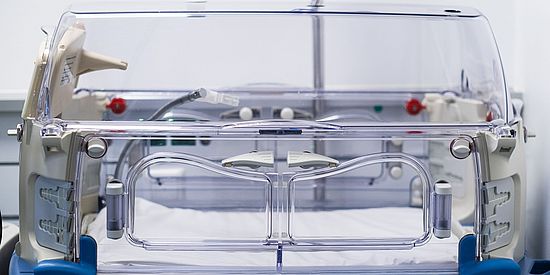
Does restricted fluid intake lead to fewer lung complications in preterm babies?
Significance of the study
Chronic lung damage as a result of oxygen therapy, ventilation, inflammation and suboptimal nutrition affects the lives of many preterm infants in the long term. This study aims to show whether fluid restriction in the first weeks of life can make a decisive contribution to the prevention of lung complications.
March 2026